
Bhutan Tours from Australia: Complete 2026 Guide to Flights, Visa, SDF, Costs and Private Itineraries
Every month I speak with travellers from Brisbane, Sydney, Melbourne, and Perth who have been thinking about Bhutan for years. The questions are almost always the same: How do I actually get there? What is the SDF? How much will it cost? And who do I work with to plan it properly?
I am from Bhutan. I grew up here, I work here, and I run Saidpiece Travels from the ground in Bhutan. I also work regularly with Australian travellers and Australian travel agencies. This guide answers every question you have about planning a Bhutan trip from Australia, based on what I actually see go wrong and right with each booking.
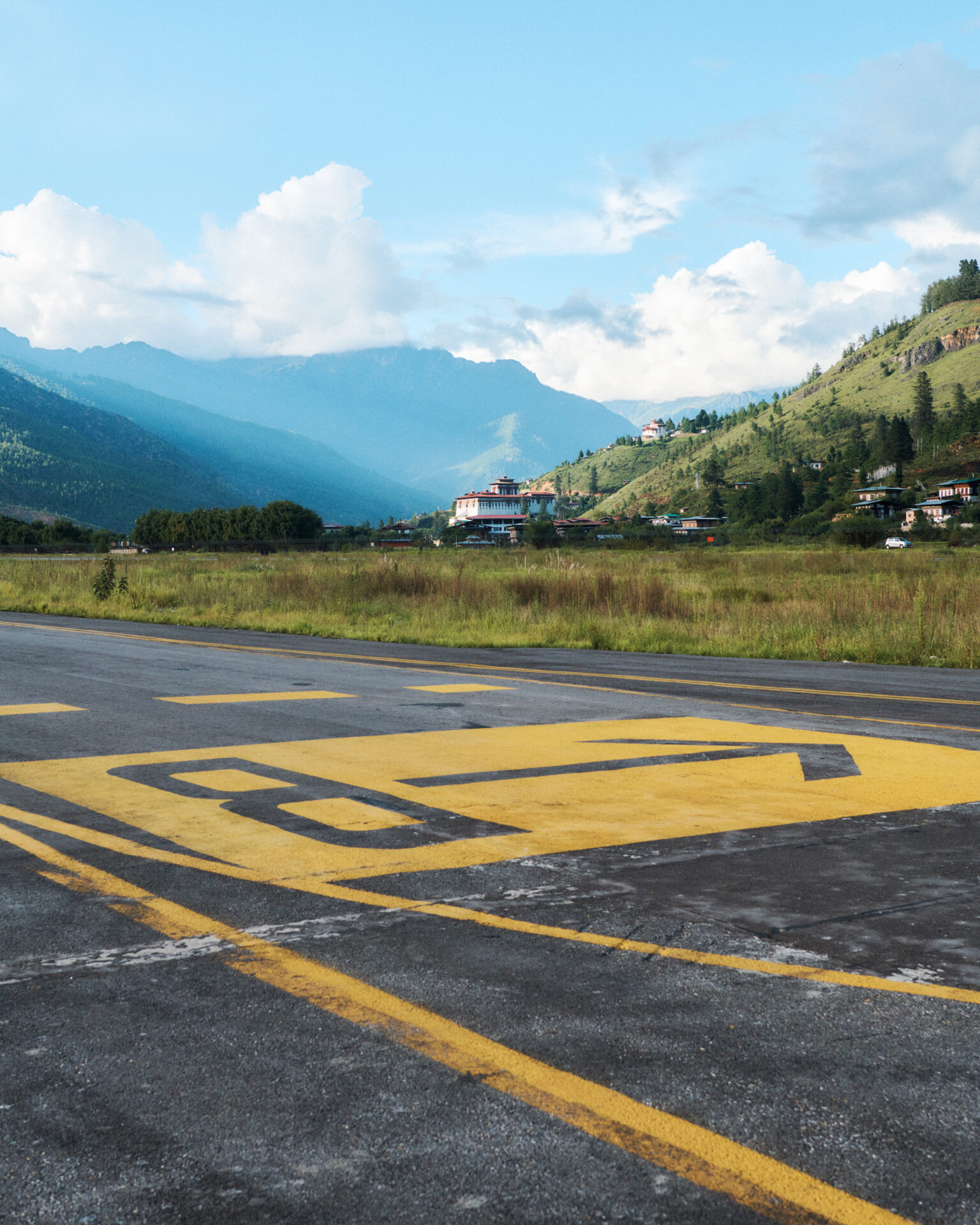 Paro International Airport, Bhutan's only international gateway, sits in a valley at 2,235 metres.
How Do Australians Travel to Bhutan?
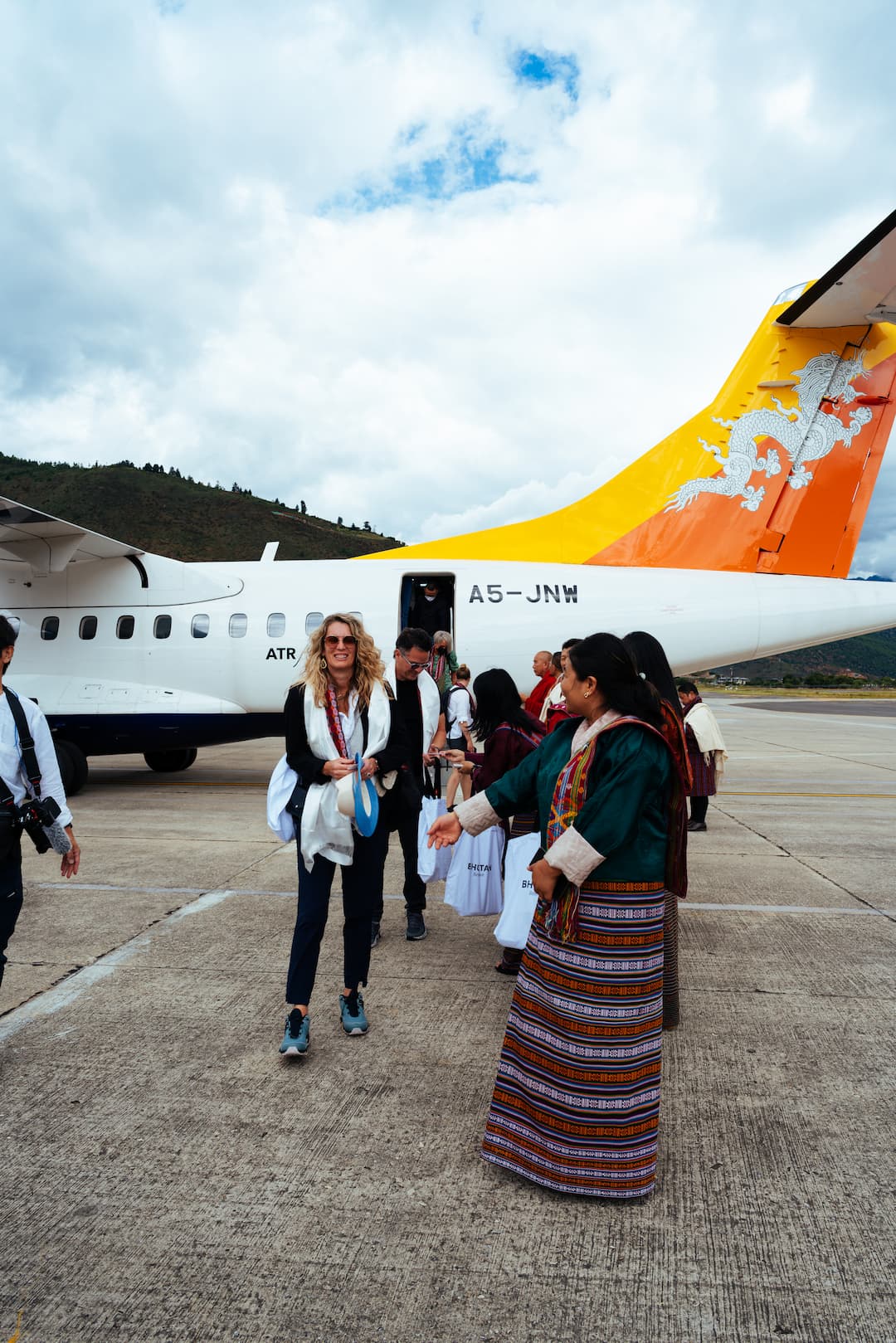
Bhutan has one international airport: Paro International Airport (PBH). It sits in the Paro Valley at around 2,235 metres above sea level and is one of the most technically demanding approaches in the world. Only two airlines are permitted to fly there: Drukair (Royal Bhutan Airlines) and Bhutan Airlines, both Bhutanese-owned.
From Australia, you fly to a regional hub first and then connect. Bangkok and Singapore are the most practical options. Delhi and Kathmandu also work, depending on your route.
| From Australia | Best Connection Hub | Arrive Paro (PBH) |
|---|---|---|
| Brisbane | Bangkok (BKK) or Singapore (SIN) | Drukair or Bhutan Airlines |
| Sydney | Bangkok (BKK), Singapore (SIN), or Delhi (DEL) | Drukair or Bhutan Airlines |
| Melbourne | Bangkok (BKK), Singapore (SIN), or Delhi (DEL) | Drukair or Bhutan Airlines |
| Perth | Singapore (SIN) or Bangkok (BKK) | Drukair or Bhutan Airlines |
| Adelaide | Singapore (SIN) or Bangkok (BKK) | Drukair or Bhutan Airlines |
Total travel time from most Australian cities to Paro is typically 14 to 20 hours including your layover. An overnight stay in Bangkok or Singapore before your Paro flight is often the most comfortable approach. Flights into Paro operate during daylight only due to the terrain, so weather can occasionally delay arrivals. Build a buffer into your arrival day.
Are There Direct Flights from Australia to Bhutan?
No. There are no direct flights from any Australian city to Paro International Airport.
Bangkok (BKK) is the most convenient connection for most Australians. Both Drukair and Bhutan Airlines fly Bangkok to Paro several times a week. Brisbane, Sydney, Melbourne, Perth, and Adelaide all have direct flights to Bangkok. The Bangkok to Paro sector takes around 2.5 to 3 hours.
Singapore (SIN) is a strong alternative, particularly from Perth and for travellers who prefer Singapore Changi as a transit hub. Drukair operates this route.
Delhi (DEL) is worth considering if you want to add a couple of days in India before or after Bhutan. Some Delhi-to-Paro flights make a brief technical stop in Kolkata or Guwahati. In most cases you stay on the aircraft.
Kathmandu (KTM) works well for those combining Bhutan with Nepal. The Kathmandu to Paro flight is one of the most scenic in the region.
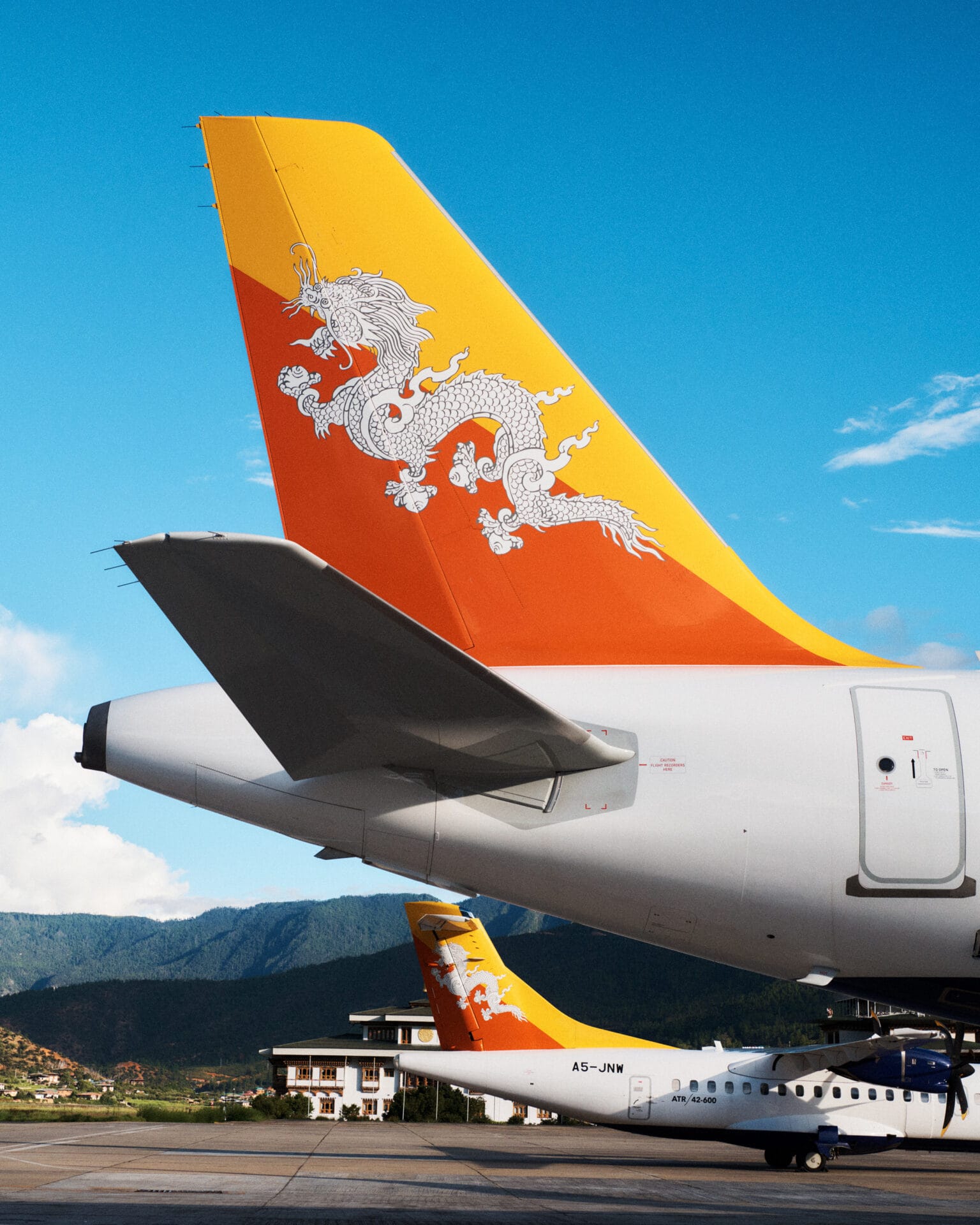 Drukair and Bhutan Airlines are the only two carriers permitted to fly into Paro International Airport.
Do Australians Need a Visa for Bhutan?
Yes. Australian passport holders require a Bhutan e-visa to enter the country.
The visa is applied for online through the Tourism Council of Bhutan portal, or processed by your licensed tour operator as part of the booking. The fee is USD 40 per person, paid once per entry and non-refundable. Processing takes up to five working days when the application is correctly submitted.
At Saidpiece Travels, we coordinate visa processing as part of every trip. Once your itinerary is confirmed and the fees are paid, we apply on your behalf and send you the visa clearance letter before you fly. You present this at Paro Airport, where the visa is stamped into your passport on arrival.
What Is the Bhutan Sustainable Development Fee?
The Sustainable Development Fee, known as the SDF, is a mandatory daily fee paid by all international tourists visiting Bhutan. It is separate from your tour package, your accommodation, and your visa. You cannot avoid it, and you should not try to.
The current rate is USD 100 per person per night. This applies to all international visitors except Indian, Bangladeshi, and Maldivian nationals. Children under 5 are exempt. Children aged 6 to 12 pay half the adult rate.
The current rate was introduced in September 2023 and is confirmed until 31 August 2027. Always verify at the official Tourism Council of Bhutan website before booking.
The SDF funds free healthcare and education for every Bhutanese citizen, environmental conservation, and cultural preservation. When you pay it, you are contributing directly to the country you are visiting.
The SDF is paid before you enter Bhutan, as part of the visa application process. Your licensed tour operator handles this. Once paid, it is non-refundable if your trip goes ahead as planned.
Example for a couple on an 8-night trip: USD 100 x 8 nights x 2 people = USD 1,600 in SDF alone, before a single night of accommodation is counted.
Note from January 2026: Bhutan introduced a 5% Goods and Services Tax on tourism services. This applies to accommodation, guiding, and transport inside your tour package. The SDF itself is exempt. When comparing quotes, check whether the GST is included or added on top.
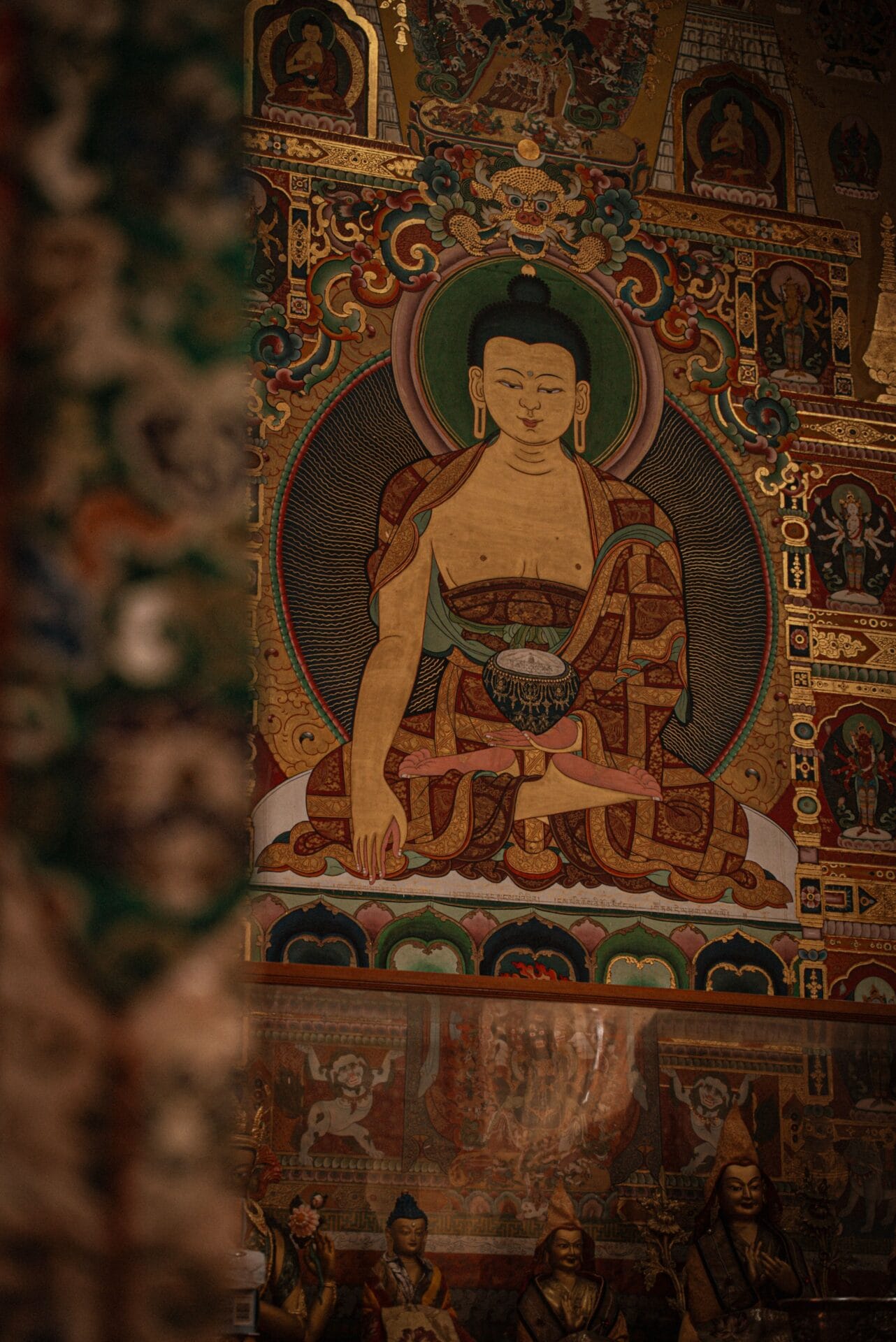 Bhutan's Buddhist culture and heritage is one of the things your SDF directly helps preserve.
How Much Does a Bhutan Trip from Australia Cost?
Bhutan is not a budget destination. That is not a caveat, it is a feature of how the country manages tourism. Here is an honest breakdown of what Australian travellers need to budget for, listed separately so nothing is hidden.
- International flights: Return from Australia to Bangkok or Singapore, plus the connection to Paro. Bangkok to Paro return starts from around USD 350 to 500 per person.
- Bhutan tour package: Covers your licensed guide, private vehicle, accommodation, and meals inside Bhutan. Varies by trip length, group size, and accommodation tier.
- Sustainable Development Fee: USD 100 per person per night, paid directly to the Bhutanese government.
- Visa fee: USD 40 per person, one-time and non-refundable.
- Travel insurance: Must include medical evacuation cover. This is mandatory, not optional.
- Personal expenses: Shopping, tips, drinks, and any optional activity add-ons.
| Trip Length | Best Suited For | Planning Notes |
|---|---|---|
| 4 days | Those adding Bhutan to a Thailand or India trip | Covers Paro and Thimphu with Tiger's Nest. Limited for long-haul Australians. |
| 7 days | Most first-time Australian travellers | The most popular length. Comfortable coverage of Paro, Thimphu, and Punakha. |
| 8 days | Couples, older travellers, those who want breathing room | Our recommendation for Australians. Adds one extra cultural day and a more relaxed pace. |
| 10+ days | Repeat visitors, trekkers, travellers wanting Gangtey or the east | Allows extension beyond the western valleys into Phobjikha or Bumthang. |
For a detailed cost breakdown, visit our Bhutan travel cost page or use our trip planning form for a personalised quote.
Sample 8-Day Bhutan Itinerary for Australians
Eight days is the length I recommend for most Australians. You have come a long way. The pace should let you actually feel the place, not just tick through it. This route covers the main western valleys: Paro, Thimphu, and Punakha.
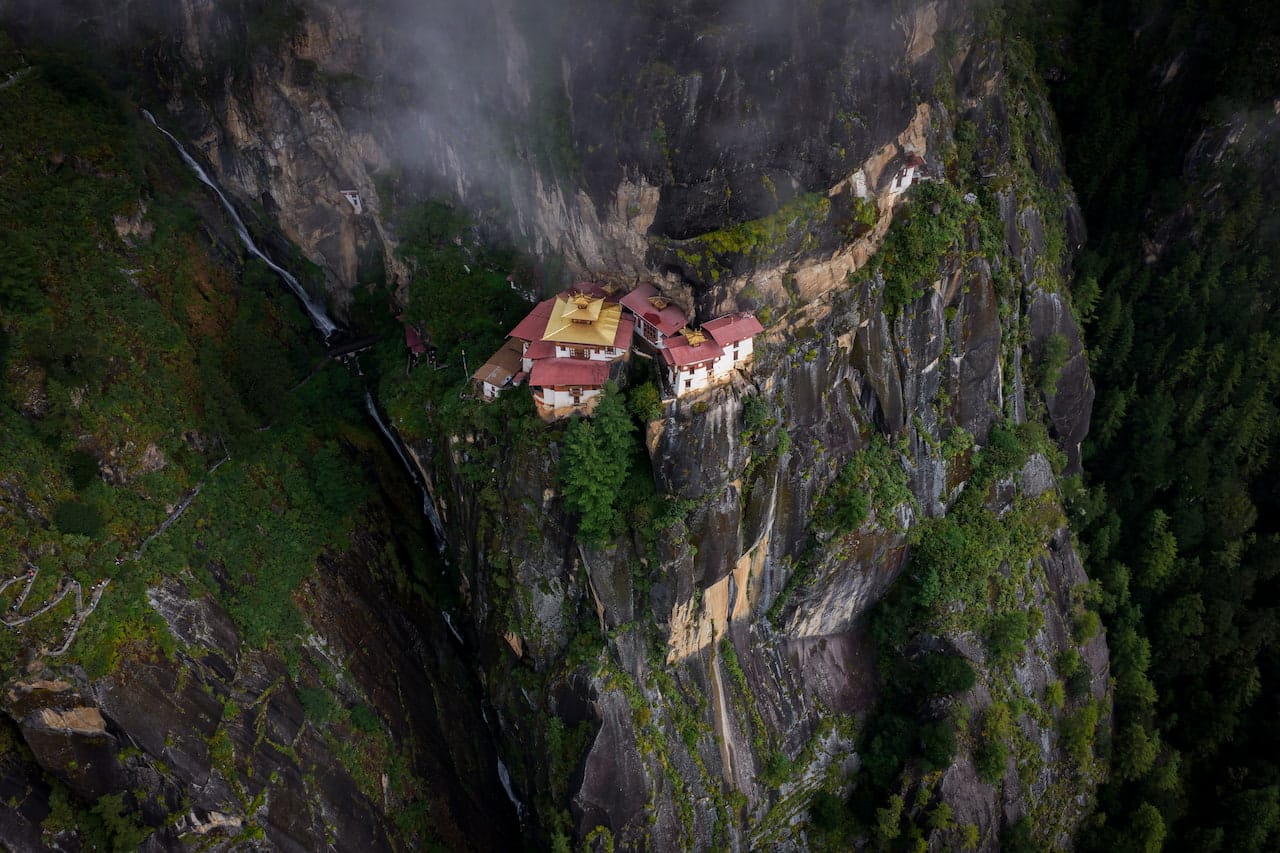 Paro Taktsang, known as Tiger's Nest, sits at 3,120 metres on a cliff above the Paro valley. Day 6 of the itinerary.
Your flight lands in Paro in the morning. The approach over the Himalayan foothills is unlike any landing you will have experienced. Your guide and driver meet you at the airport. After settling in, you drive to Thimphu (about 1 hour, 54 km). The afternoon is gentle: a walk through the weekend market if timing allows, or a visit to the National Memorial Chorten. Thimphu sits at around 2,350 metres, so take the first evening slowly.
Bhutan's capital is small, but it has real depth. The day includes the Tashichho Dzong, the National Institute for Zorig Chusum (traditional arts school), and the Folk Heritage Museum. Good lunch options in town. Thimphu has no traffic lights. The one functioning roundabout is directed by a traffic officer instead, which tells you a great deal about the pace of life here.
One of the finest drives in Bhutan. You cross Dochula Pass at 3,100 metres, where 108 memorial chortens sit on the ridge and, on a clear day, the Himalayan peaks are visible to the north. The descent takes you into Punakha at around 1,350 metres, warmer and greener than Thimphu. Total drive: around 2.5 to 3 hours.
Punakha Dzong sits at the meeting point of two rivers, the Pho Chhu and Mo Chhu. It was the country's capital for 300 years and remains the most impressive dzong in Bhutan. The day also covers the Chimi Lhakhang temple (a short walk across farmland) and the Khamsum Yulley Namgyal Chorten if you want a 45-minute hike with valley views. The valley is fertile: citrus orchards, rice paddies, warm air.
Return drive over Dochula to Paro, around 3 to 3.5 hours. Stop for lunch in Thimphu if you wish. The afternoon in Paro is relaxed: a walk through town, an exterior visit to Rinpung Dzong, or simply time to rest before the next day's hike.
The hike to Taktsang Palphug Monastery, known as Tiger's Nest, is the centrepiece of most Bhutan trips. The monastery clings to a cliff face at 3,120 metres. The round-trip from the base takes 4 to 5 hours at a steady pace, gaining around 500 metres. It is manageable for most moderately active travellers. Horses are available to the halfway point for those who prefer them.
Paro has more than Tiger's Nest. The National Museum of Bhutan (in a 17th-century watchtower), Kyichu Lhakhang (one of Bhutan's oldest temples), and the ruins of Drukgyel Dzong are all within easy reach. Afternoon: a traditional Bhutanese hot stone bath, where river stones are heated and placed in a wooden tub with medicinal water and herbs. After six days of walking, it is exactly what it sounds like.
Morning flights are common from Paro. Your guide and driver will see you to the airport. On clear mornings, the flight out offers Himalayan views on the right side of the aircraft when flying west or south.
This itinerary forms the basis of our Bhutan Discovery journey, which we can customise for your travel dates, group size, pace, and interests.
Best Time to Visit Bhutan from Australia
There is no single best season. It depends on what you are looking for.
The most popular time to visit. Comfortable temperatures, rhododendron forests in bloom, and the Paro Tshechu festival in March or April. Clear skies early in the season. Book well in advance.
The second peak season and, for many, the best all-round combination. Clear blue skies, Himalayan peak views, and festival timing. The Thimphu Tshechu falls in September or October.
Quieter, colder, underrated. Paro and Thimphu drop to near 0°C at night, but Punakha stays mild. Mountain views in winter are often the clearest of the year. Fewer crowds at popular sites.
Most of Bhutan's annual rainfall falls here. Landscapes are intensely green. Cloud cover limits mountain views. Flight disruptions are more common. Better suited to experienced, flexible travellers.
For most Australian travellers on a first trip, September to November or March to May are the safest choices. Both align with common Australian school holiday windows, which can help with family planning.
Is Bhutan a Good Destination for Australian Travellers?
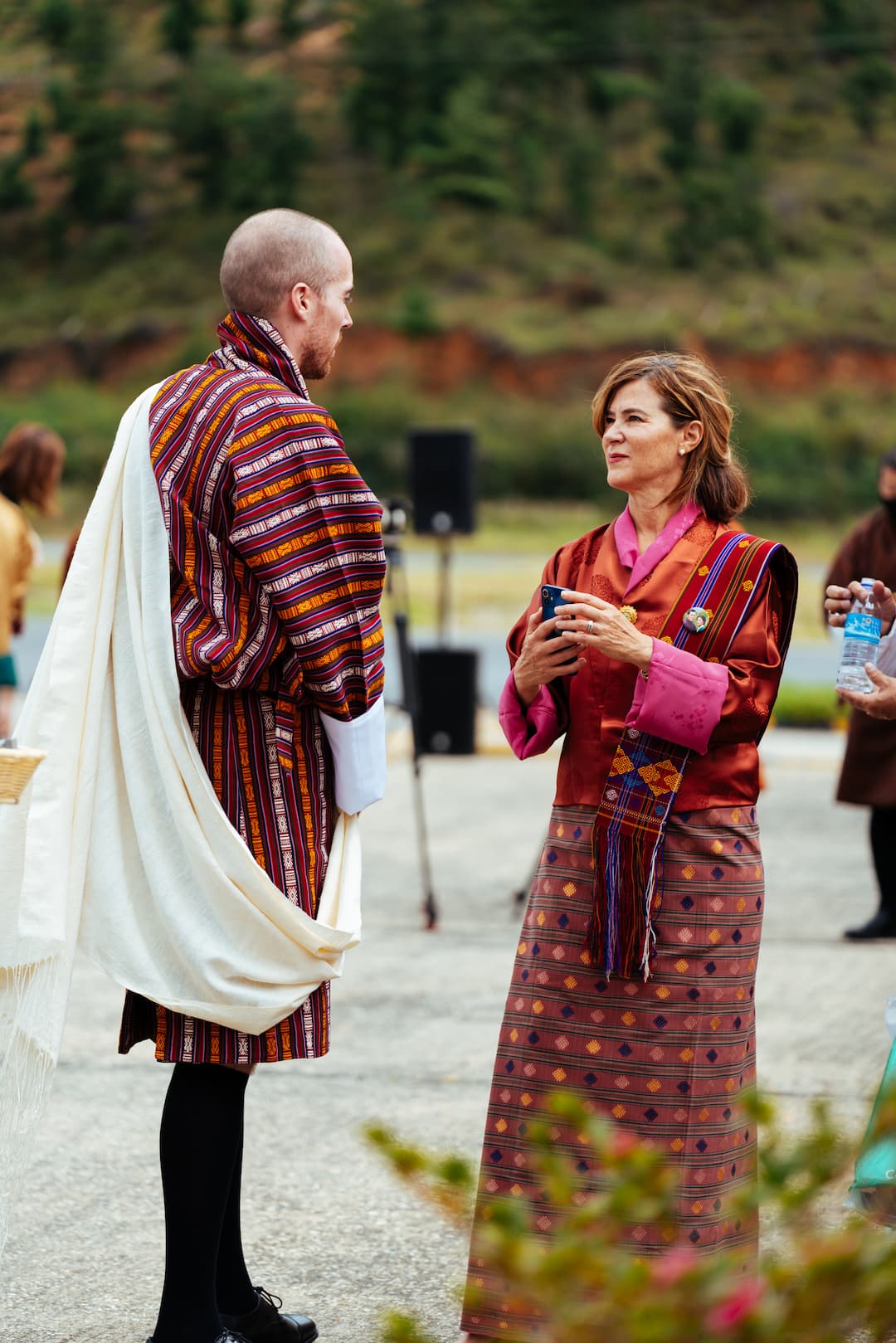
It is, for the right reasons. Bhutan is a safe country with very low crime. Australians generally find the environment calm and easy to navigate with a guide, and the private vehicle format means you move at your own pace rather than around a group bus schedule.
Bhutan offers a level of privacy and quiet that many destinations cannot match. Valley walks, monastery visits, farm stays, hot stone baths. It is a genuine pause from ordinary life.
Bhutan works well with thoughtful planning. Not every itinerary requires strenuous hiking. We design routes around your pace, with gentle walking options at every stop.
Bhutan is one of the safer countries in Asia for women travelling alone. We have hosted many solo Australian women. Our Women's Bhutan Journey is built specifically for this.
Suits families with children aged 10 and above particularly well. Archery, nature, craft workshops, cultural experiences. Our Bhutan Family Adventure is designed for this.
One thing to manage: altitude. Thimphu sits at 2,350 metres. Dochula Pass is at 3,100 metres. Most travellers acclimatise without issue over a day or two, but if you have cardiovascular concerns, speak to your doctor before booking and let us know so we can pace the itinerary accordingly.
Why Work With a Licensed Bhutanese Operator?
This matters more in Bhutan than in most other destinations. The visa system, SDF payment, and permit process all require a licensed operator by law. Beyond that, a local company is simply better placed to manage the details that make a trip go well.
These include knowing which hotels have had quality changes in the past year, understanding current road conditions on mountain passes, pacing itineraries correctly for altitude, and being on the ground if something goes wrong with a flight or a guest is unwell. A company operating from outside Bhutan cannot do any of that in real time.
Saidpiece Travels is a licensed Bhutanese travel company, registered with the Tourism Council of Bhutan. We create private, mindful journeys across the country and work directly with our guests from the first enquiry through to departure day. Read more about what licensed operator status means in practice.
Information for Australian Travel Agencies
If you are an Australian travel agency looking for a reliable Bhutan ground partner, Saidpiece Travels works with agencies on a partnership basis. We provide:
- Private itinerary design tailored to your clients' pace and interests
- Licensed Bhutanese guides, registered with the Tourism Council of Bhutan
- Private vehicles with experienced drivers familiar with the mountain routes
- Hotel selection from comfortable standard properties through to boutique and luxury options
- End-to-end visa coordination and SDF management
- On-ground operations and communication throughout the trip
- 15% commission on confirmed partner bookings
To discuss a partnership, use our contact page and mention that you are an agency.
Frequently Asked Questions
Yes. Australian passport holders can visit Bhutan. You need a Bhutan e-visa (USD 40), must pay the Sustainable Development Fee (USD 100 per person per night), and are required to book your trip through a licensed Bhutanese tour operator.
No. There are no direct flights from any Australian city to Bhutan. Australians connect through Bangkok, Singapore, Delhi, or Kathmandu before flying to Paro International Airport on Drukair or Bhutan Airlines.
The most common route is via Bangkok (BKK) or Singapore (SIN). Both cities have frequent direct flights from Brisbane, Sydney, Melbourne, and Perth. From Bangkok, Drukair and Bhutan Airlines fly to Paro several times per week.
Yes. Australian passport holders require a Bhutan e-visa. The fee is USD 40 per person, paid once per entry and non-refundable. The visa is typically processed by your licensed tour operator as part of your trip booking. Processing takes up to five working days.
The SDF is USD 100 per person per night for international visitors. This rate applies through 31 August 2027. Children under 5 are exempt, and children aged 6 to 12 pay USD 50 per night. The SDF is paid before travel as part of the visa application process.
Given the long-haul travel involved, a minimum of 7 nights is recommended. Eight nights is the most balanced option, covering Paro, Thimphu, and Punakha at a comfortable pace with time for Tiger's Nest and a rest day.
Yes, particularly for families with children aged 10 and above. The private guide and vehicle format allows easy adjustment of pace. We offer a dedicated Bhutan Family Adventure itinerary.
Yes. Bhutan is consistently regarded as one of the safer countries in Asia for women travelling alone. Crime is low, guides are professional, and the culture is respectful. Our Women's Bhutan Journey is designed specifically for this experience.
Yes. Saidpiece Travels works as a licensed Bhutan ground partner for Australian travel agencies, handling all in-country operations. We offer a 15% commission on confirmed agency bookings.
Our private tours include a licensed Bhutanese guide, private vehicle and driver, accommodation, all meals, cultural and monastery site entry fees where applicable, and full on-ground coordination. The SDF, visa fee, international flights, and travel insurance are separate costs that we help you understand and budget for.
Ready to Plan Your Bhutan Journey?
Tell us your travel dates, group size, and what matters most to you. We will put together a detailed itinerary and cost breakdown.
Start Planning Agency Enquiry