
7-Day Bhutan Itinerary from Australia: Paro, Thimphu, Punakha and Tiger's Nest
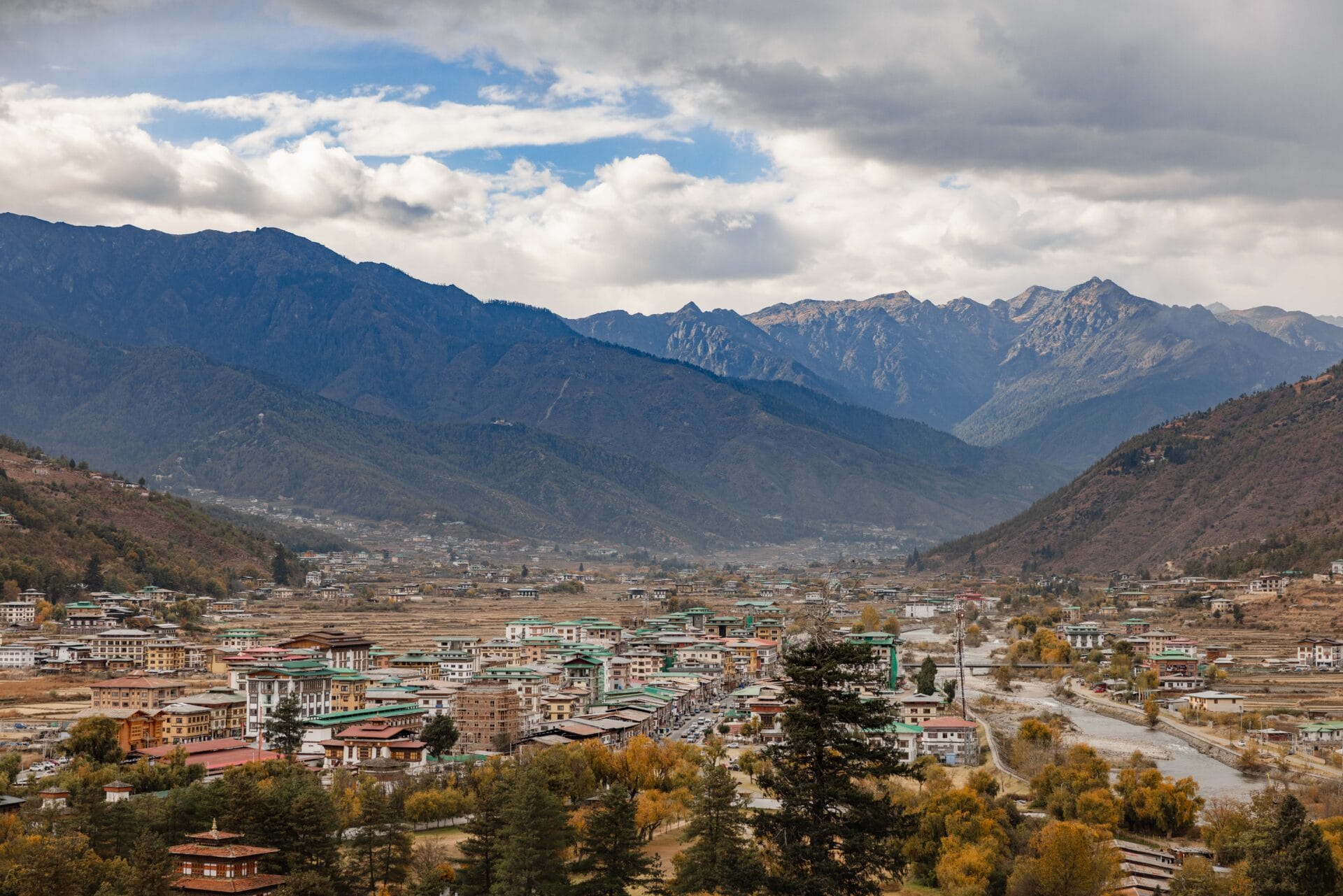
If you are travelling to Bhutan from Australia, your itinerary needs to be planned differently from a short regional holiday.
You are likely flying from Brisbane, Sydney, Melbourne, Perth or Adelaide through Bangkok, Singapore, Delhi or another Asian hub before reaching Paro. By the time you arrive in Bhutan, you may have already spent many hours in transit. This is why the first day should not be overloaded.
This 7 day Bhutan itinerary from Australia is designed for Australians who want to experience Bhutan properly within a limited travel window. It covers the essential western valleys of Paro, Thimphu and Punakha, with the Tiger's Nest Monastery hike placed at the right point in the journey, after your body has had time to adjust.
This blog does not repeat the full flight, visa, SDF and cost information. If you are still working out how to travel from Australia to Bhutan, read our full guide: Bhutan Tours from Australia: Flights, Visa, SDF, Costs and Private Itineraries.
This article focuses on what your actual week in Bhutan can look like.
Who This 7-Day Bhutan Route Is Best For
This itinerary works well for:
- Australian couples planning their first Bhutan trip
- Solo travellers who prefer a private guide and driver
- Families with older children or teenagers
- Mature travellers who want cultural depth without a rushed schedule
- Travellers who want Tiger's Nest included, but do not want a trekking itinerary
- Australians with limited annual leave who still want a meaningful Bhutan experience
This is not a fast checklist itinerary. Bhutan is best experienced with time to walk, pause, listen and understand what you are seeing.
Quick Itinerary Overview
| Day | Route | Main Focus | Overnight |
|---|---|---|---|
| Day 1 | Paro to Thimphu | Arrival, gentle acclimatisation | Thimphu |
| Day 2 | Thimphu | Capital, crafts, Buddhism, local life | Thimphu |
| Day 3 | Thimphu to Punakha | Dochula Pass and Punakha Dzong | Punakha |
| Day 4 | Punakha | Village walks, Chimi Lhakhang, suspension bridge | Punakha |
| Day 5 | Punakha to Paro | Scenic return and Paro heritage | Paro |
| Day 6 | Paro | Tiger's Nest Monastery hike | Paro |
| Day 7 | Paro | Departure or light final sightseeing | Departure |
Your first view of Bhutan begins before landing. The flight into Paro is one of the most memorable arrivals in the region, with the aircraft descending through mountain valleys before reaching Bhutan's only international airport.
After immigration and baggage collection, your guide and driver will meet you outside the airport. From here, drive to Thimphu, Bhutan's capital city.
For Australian travellers, this first day should be treated as a soft landing. You may feel excited and want to see everything immediately, but it is better to keep the day light. You are arriving at altitude after a long flight, and your body needs time to settle.
Suggested First-Day Plan
Start with a scenic drive from Paro to Thimphu, following the river valley. After checking into your hotel, have lunch and rest for a short while.
In the afternoon, you can visit the National Memorial Chorten, one of the most active spiritual sites in Thimphu. Local residents come here daily to walk clockwise around the chorten, turn prayer wheels and offer prayers. It is a good first introduction to how Buddhism is lived in Bhutan, not only displayed as heritage.
If you still have energy, take a short walk through Thimphu town. The capital is small compared to Australian cities, but it is the centre of Bhutan's government, commerce, education and culture.
What to Notice
Thimphu does not feel like Bangkok, Singapore or Delhi. There are no high-rise skylines or large expressways. Buildings follow Bhutanese architectural guidelines, with painted timber windows, traditional proportions and decorative motifs. Even as Bhutan modernises, the built environment still reflects national identity.
Evening Recommendation
Keep dinner simple and sleep early. This helps you prepare for the next day and reduces the chance of feeling tired from altitude and travel.
Overnight: Thimphu
Thimphu is the best place to understand contemporary Bhutan. It is where tradition, governance, education, youth culture, monastic life and modern development meet.
This day should not be treated as simple sightseeing. Each stop helps explain how Bhutan functions as a living country, not just a scenic destination.
Morning: Buddha Dordenma and Valley View
Begin with Buddha Dordenma, the large seated Buddha statue overlooking Thimphu valley. The site gives you a wide view of the capital, surrounding hills and urban growth of Bhutan.
This is a useful place for your guide to explain the role of Vajrayana Buddhism in Bhutanese life. For Australian travellers, this context is important because many places you visit during the week will be connected to Buddhist practice, sacred geography and ritual.
Mid-Morning: National Memorial Chorten or Tashichho Dzong Viewpoint
If you did not visit the National Memorial Chorten on Day 1, include it here. Otherwise, visit the exterior viewpoint of Tashichho Dzong, the seat of Bhutan's civil government and central monastic body.
Dzongs are fortress-monasteries. They are not only historical buildings. Many still function as administrative and religious centres. Understanding this early in the journey helps you appreciate Punakha Dzong later.
Lunch: A Gentle Introduction to Bhutanese Food
Lunch in Thimphu can be adjusted to your comfort level. If you enjoy trying local food, this is a good time to taste:
- Ema datshi, chilli and cheese
- Kewa datshi, potato and cheese
- Red rice
- Seasonal vegetables
- Momos
- Mild curries for those who prefer less spice
For Australians who are not used to chilli as a vegetable, it is worth starting slowly. Bhutanese food can be adjusted, and your guide can help you order.
Afternoon: The 13 Traditional Arts
Visit the Institute for Zorig Chusum, where students train in Bhutan's traditional arts. These include painting, carving, sculpture, embroidery, weaving and other crafts used in temples, homes, monasteries and public buildings.
This is one of the most useful stops for travellers who want to understand Bhutanese architecture and visual culture. The carved windows, painted beams, lotus motifs, dragons, clouds and mandalas you see throughout the country come from a living craft tradition, not decorative styling alone.
You may also include the Textile Museum or Folk Heritage Museum, depending on your interests.
Optional Add-On
For a more active afternoon, include a short gentle hike above Thimphu, such as a monastery walk or viewpoint trail. If you prefer a slower day, end with the craft visits and leave the evening free.
Overnight: Thimphu
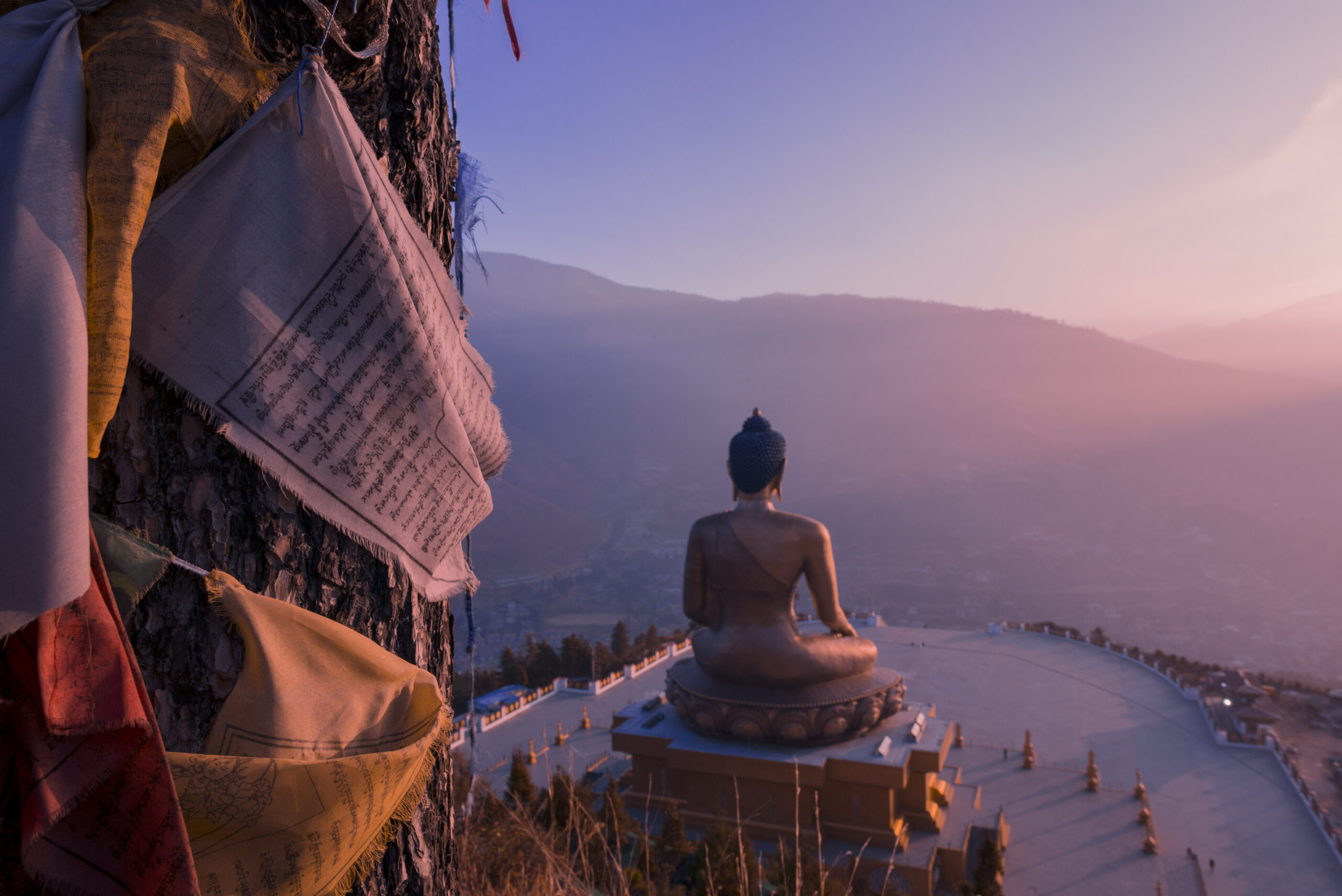
Buddha Dordenma overlooks Thimphu, and it's usually the first proper stop on day two.
After breakfast, leave Thimphu and begin the drive toward Punakha. The road climbs gradually to Dochula Pass, one of the most well-known mountain passes in Bhutan.
Dochula sits at around 3,100m and is marked by 108 chortens. On clear days, you may see the Himalayan range in the distance. Even when the mountains are hidden by cloud, the pass has a quiet and reflective atmosphere.
Why Dochula Matters
Dochula is more than a photo stop. The chortens, prayer flags and mountain setting reflect how Bhutanese landscapes are often layered with memory, spirituality and national meaning.
For travellers from Australia, it is a strong contrast to the wide open road landscapes back home. In Bhutan, mountain passes are not just points between places. They are places of pause.
Descent into Punakha
After Dochula, the road descends into Punakha. The temperature becomes warmer, the vegetation changes and the valley opens into rice fields, rivers and subtropical plants.
Punakha feels different from Thimphu. It is lower, softer and more rural. This contrast is one of the reasons the Paro, Thimphu and Punakha route works so well for a first Bhutan trip.
Afternoon: Punakha Dzong
Visit Punakha Dzong in the afternoon. Built at the confluence of the Pho Chhu and Mo Chhu rivers, it is one of Bhutan's most important and beautiful dzongs.
This was once the seat of Bhutan's government and remains deeply important in Bhutanese religious and national history. The setting itself is part of the experience. Two rivers meet, jacaranda trees bloom in season, and the dzong rises with whitewashed walls, timber details and golden roofs.
What Your Guide Should Explain Here
A good guide should help you understand:
- Why dzongs were built as both administrative and religious centres
- The role of Zhabdrung Ngawang Namgyel in unifying Bhutan
- Why Punakha was historically important as the former capital
- How Bhutanese architecture uses hierarchy, symbolism and proportion
- Why visitors must dress respectfully inside dzongs and temples
This is one of the most important cultural stops of the journey, so it should not be rushed.
Overnight: Punakha
Day 4 is where the itinerary starts to breathe.
Instead of moving immediately to the next valley, stay in Punakha and experience the valley more slowly. This is especially valuable for Australian travellers who have come a long way and do not want every day to feel like a transfer day.
Morning: Chimi Lhakhang Walk
Start with the walk to Chimi Lhakhang, commonly known as the fertility temple. The walk usually takes around 20 to 30 minutes each way through village paths and rice fields.
The temple is associated with Drukpa Kunley, a 15th-century Buddhist master known for his unconventional teaching style. Your guide can explain the symbolism here carefully and respectfully, especially because the fertility imagery can surprise first-time visitors.
This walk is easy, scenic and culturally interesting. It gives you a closer look at village homes, farmland, prayer flags, small shops and daily life.
Midday: Farmhouse or Local Lunch
Punakha is a good place for a farmhouse-style meal or a simple local lunch. For travellers from Australia, this is often where Bhutan begins to feel more personal.
Food is not only about tasting dishes. It is a way to understand local agriculture, family life and the rhythm of the valley.
Afternoon Option 1: Punakha Suspension Bridge
Visit the Punakha Suspension Bridge across the Pho Chhu river. It is long, scenic and lined with prayer flags. The bridge does sway slightly, so anyone uncomfortable with heights can cross slowly or choose to view it from the side.
This is a good light activity after lunch and offers excellent views of the river and valley.
Afternoon Option 2: Khamsum Yulley Namgyal Chorten
For travellers who want more walking, include the hike to Khamsum Yulley Namgyal Chorten. This usually takes around 2 to 3 hours return at a gentle pace.
The trail passes through farmland and rises to a hilltop chorten with beautiful views over the Punakha valley. It is not as demanding as Tiger's Nest, but it is still a proper walk. This is a good confidence-building hike before Day 6.
Afternoon Option 3: Sangchhen Dorji Lhuendrup Nunnery
If you prefer a cultural visit with less hiking, visit Sangchhen Dorji Lhuendrup Nunnery. It sits on a ridge above the valley and offers views over Punakha and Wangdue.
This is a meaningful stop because it gives travellers a glimpse into female monastic education and practice in Bhutan.
Overnight: Punakha
Today you return west toward Paro. This is not a day to overload. The main goal is to reach Paro comfortably and prepare for the Tiger's Nest hike the next morning.
Morning Drive
Depart Punakha after breakfast. You will climb again toward Dochula Pass and continue through Thimphu toward Paro.
If the weather is clear, you can stop briefly at Dochula again. Mountain views can change completely from one day to another, so a second stop may be worthwhile.
Lunch Stop
Depending on timing, lunch can be arranged in Thimphu or closer to Paro. For Australians who enjoy coffee, Thimphu has a small but growing café culture, and a relaxed lunch stop can make the transfer feel less tiring.
Afternoon in Paro
After reaching Paro, keep the afternoon gentle. You may visit Paro Rinpung Dzong from the outside, walk through Paro town or visit Kyichu Lhakhang if you prefer a quiet temple experience.
Kyichu Lhakhang is one of Bhutan's oldest temples and has a calm atmosphere. It is a good place to slow down before the most physically active day of the trip.
Tiger's Nest Briefing
In the evening, your guide should brief you properly for the next day:
- Start time
- Expected walking duration
- What to wear
- What to carry
- Where you can rest
- Whether a pony is suitable for the first section
- How to manage the final steps near the monastery
- Temple etiquette and photography rules
For Australian travellers who regularly hike in places like the Blue Mountains, Tasmania or national parks around Queensland and Victoria, Tiger's Nest is not technically difficult. The challenge is the steady uphill walk at altitude. A slow pace matters more than speed.
Overnight: Paro
This is the most iconic day of the itinerary.
Tiger's Nest Monastery, or Paro Taktsang, is built into a cliffside above the Paro valley. It is one of Bhutan's most sacred pilgrimage sites and is closely connected to Guru Rinpoche, who is believed to have meditated here in the 8th century.
Most travellers know Tiger's Nest from photographs, but the experience is not only visual. The climb, forest, prayer flags, viewpoints, temple interiors and silence all form part of the day.
Suggested Hiking Plan
Start early after breakfast. The trail begins at the base area and climbs through pine forest. The first section is a steady uphill walk. You can take it slowly, with short stops for water and breathing.
A cafeteria viewpoint sits roughly halfway up the trail. This is a common rest point and gives one of the classic views of the monastery across the valley.
From there, continue toward the final viewpoint. The route then descends a series of steps before climbing again toward the monastery entrance.
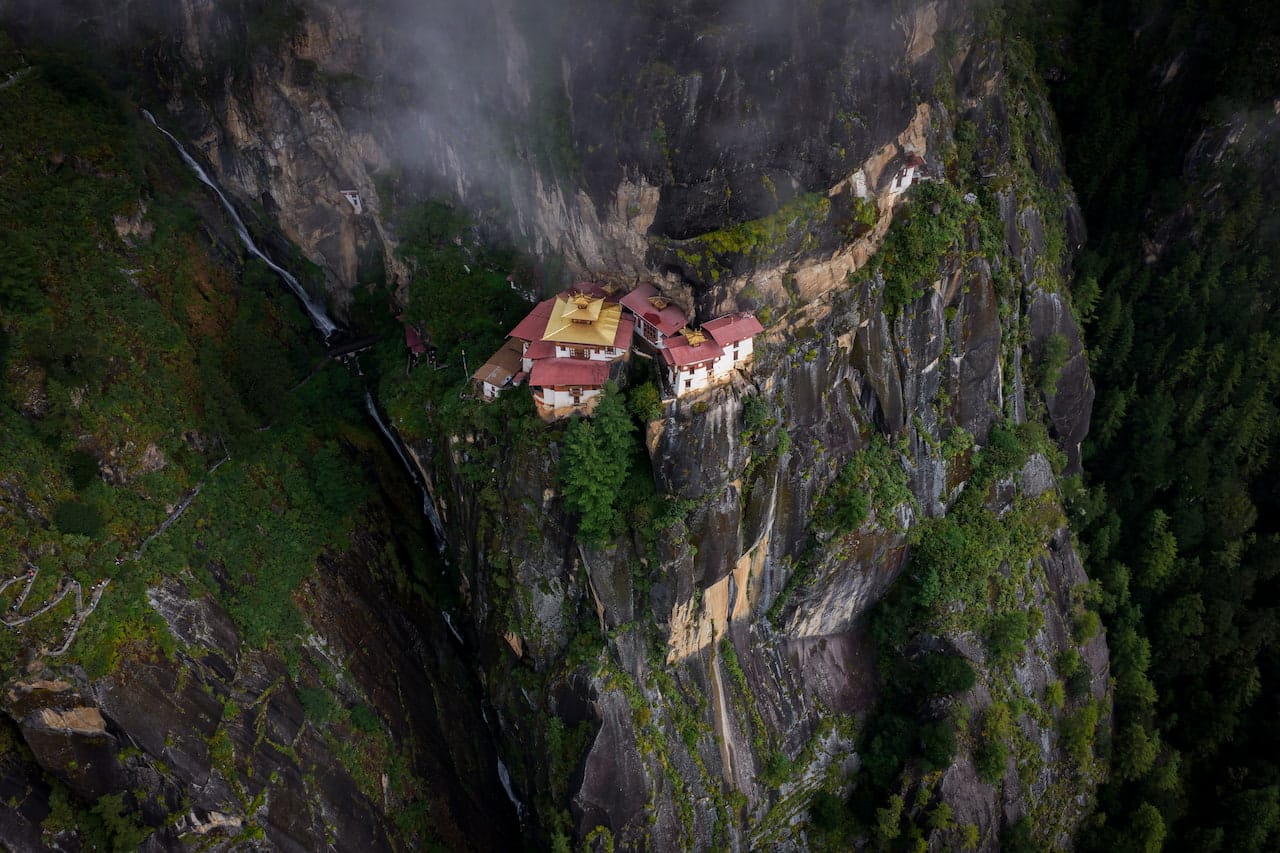
Paro Taktsang, seen from the halfway viewpoint on the trail up.
Practical hiking advice: Wear proper walking shoes or trail runners with grip. Avoid new shoes that have not been broken in. Shoulders and knees should be covered when entering the monastery. Photography is not allowed inside.
Carry:
- Water
- Sunscreen
- Sunglasses
- Light warm layer
- Hat or cap
- Small daypack
- Any personal medication
- Walking poles if your knees are sensitive on descents
Pony Option
A pony may be available for part of the uphill route, usually to the halfway point. This can be useful for travellers who want to conserve energy. However, you still need to walk the final sections, including steps near the monastery.
After the Hike
Do not plan too much after Tiger's Nest. A traditional hot stone bath is a good recovery experience if available. Heated river stones are placed into a wooden tub, warming the water and releasing minerals. It is a simple and deeply Bhutanese way to end the day.
Dinner should be relaxed. Most travellers sleep well after this hike.
Overnight: Paro
Paro flight schedules vary, so the final day should be kept flexible.
If your flight departs early, your guide and driver will transfer you directly to the airport.
If you have a later flight, you can include light sightseeing before departure.
Option 1: National Museum of Bhutan
The National Museum is housed in a historic watchtower above Paro Rinpung Dzong. It gives useful context on Bhutanese art, ritual objects, natural history, textiles and cultural life.
This is a good final stop because it helps connect many things you have seen during the week.
Option 2: Paro Town
A short walk through Paro town gives time for small purchases, textiles, incense, prayer flags, books or local crafts.
Option 3: Quiet Temple Visit
If you prefer to end the journey calmly, visit Kyichu Lhakhang if it has not been included earlier. It is one of the oldest temples in Bhutan and has a peaceful atmosphere.
After this, transfer to Paro International Airport for departure.
Why This Order Works Well
This route is planned in a specific order.
You begin in Thimphu because it allows a gentle first day after travelling from Australia. You then move to Punakha, which is lower and warmer. This gives your body a break from altitude while allowing you to experience one of Bhutan's most important cultural valleys.
Paro is saved for the final part of the journey. By the time you hike Tiger's Nest, you have already spent several days adjusting to Bhutan's altitude, rhythm and walking conditions.
This order also gives the itinerary a natural progression:
- Arrival and orientation
- Cultural understanding
- Mountain pass and historic fortress
- Rural valley and village life
- Return to Paro
- Tiger's Nest as the main physical and spiritual highlight
- Gentle departure
For Australian travellers, this pacing matters. You are not only dealing with altitude. You are also adjusting after international flights, time zone changes and a very different travel environment.
Standard Comfort vs Boutique Upgrade
This 7-day itinerary can be designed at different comfort levels.
Best for travellers who want clean, reliable hotels with private guide, private vehicle and good local support.
Typical hotel style:
- Comfortable 3-star to 4-star Bhutanese hotels
- Good location
- Clean rooms
- Reliable meals
- Simple, practical comfort
Best for couples, honeymooners, older travellers or those who want more comfort after long travel from Australia.
Possible upgrades:
- COMO Uma Paro
- Terma Linca in Thimphu
- Dhensa Boutique Resort in Punakha
- Other selected boutique lodges depending on availability
Premium hotels can make a major difference in Bhutan, especially after long drives and walking days.
What to Adjust for Different Australian Travellers
Add a hot stone bath, private dinner, farmhouse lunch and slower evenings. Keep one afternoon flexible in Punakha or Paro.
Include archery, paper-making, local food experiences and shorter sightseeing blocks. Avoid overloading temple visits in one day.
Add more rest time, use premium hotels where possible, keep walking optional and consider pony support for Tiger's Nest.
Add the Khamsum Yulley Namgyal Chorten hike in Punakha, a short Thimphu monastery walk and a more active Tiger's Nest pace.
Spend more time with traditional arts, textiles, architecture, monastic institutions and village life rather than adding too many viewpoints.
Is 7 Days Enough?
For Australians who have more time, an 8-day version is more comfortable. It allows an extra day for Paro, a softer arrival, or a more relaxed end after Tiger's Nest.
For travellers who want black-necked cranes, Gangtey Valley, Bumthang or trekking, plan for 9 to 12 days instead.
How Saidpiece Travels Designs This Journey
At Saidpiece Travels, this itinerary is not treated as a fixed bus route. It is a starting structure that we adjust around your travel dates, arrival time, walking ability, hotel preference and interests.
We can help arrange:
- Private Bhutanese guide
- Private vehicle and driver
- Accommodation selection
- Cultural experiences
- Hot stone bath
- Archery or craft sessions
- Farmhouse meal
- Tiger's Nest pacing support
- Visa and SDF coordination
- Full on-ground support throughout your trip
For Australian travellers, our goal is to make the journey feel clear before you arrive and well-supported once you are in Bhutan.
Final Thoughts
A 7-day Bhutan itinerary from Australia should not feel like a race.
The best version gives you time to understand the country through its valleys, architecture, food, spiritual traditions, village life and landscapes. Paro, Thimphu and Punakha are the right first route because they offer a strong introduction without requiring long internal travel.
You will see Bhutan's most iconic sites, including Tiger's Nest and Punakha Dzong, but the real value of the journey is in the pacing. A good Bhutan trip gives you enough time to notice the smaller details: prayer wheels turning in the morning, rice fields in Punakha, painted windows in Thimphu, quiet forest paths in Paro and the steady presence of mountains around daily life.
If you are planning your first Bhutan trip from Australia, Saidpiece Travels can help you turn this 7-day route into a private journey designed around your pace, comfort and interests.
Planning a Bhutan Trip from Australia?
Tell us your dates and we'll shape this 7-day route around your pace, comfort and interests.
Start Planning